

Bridgewater Hedging Services
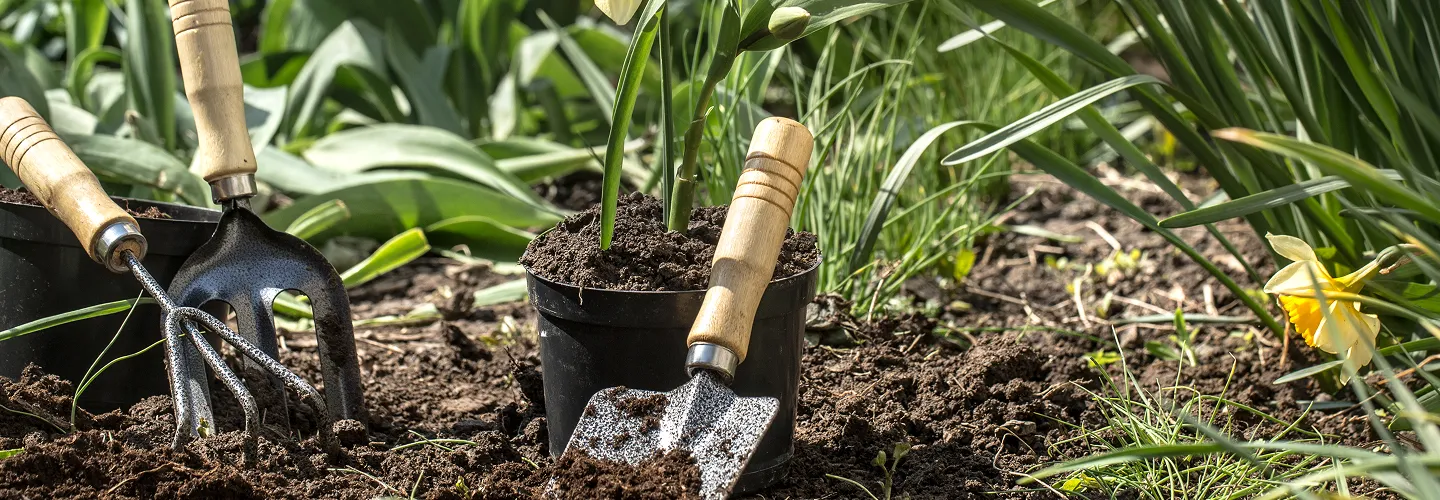
Choose our expert hedging services for precision, reliability, and lush, healthy boundaries that elevate your property's curb appeal and privacy.
Get a Free QuoteWhen to Schedule Hedging in Bridgewater, MA – Seasonal Guide
In Bridgewater, MA, the best times to schedule hedging are typically late spring and early fall, when local weather conditions are most favorable for plant recovery and growth. The region’s climate, with its cold winters and humid summers, means that hedging too early in spring can expose fresh cuts to late frosts, while late-summer trimming may not allow enough time for regrowth before winter. Neighborhoods near Stanley Iron Works Park or along Pleasant Street often experience microclimates—such as increased shade or wind exposure—that can further influence the ideal timing for hedging services.
Local environmental factors play a significant role in determining the optimal hedging schedule. For example, Bridgewater’s well-drained soils and occasional drought risk in July and August require careful planning to avoid stressing shrubs and hedges. Homeowners should also consider municipal guidelines, which can be found on the Town of Bridgewater’s official website, to ensure compliance with any local restrictions or recommendations.
Local Factors to Consider for Hedging in Bridgewater
- Proximity to frost-prone areas or shaded neighborhoods (e.g., near Lake Nippenicket)
- Soil drainage and type, especially in older residential zones
- Tree density and canopy coverage affecting sunlight and moisture
- Seasonal precipitation patterns and drought risk
- Municipal restrictions or neighborhood association guidelines
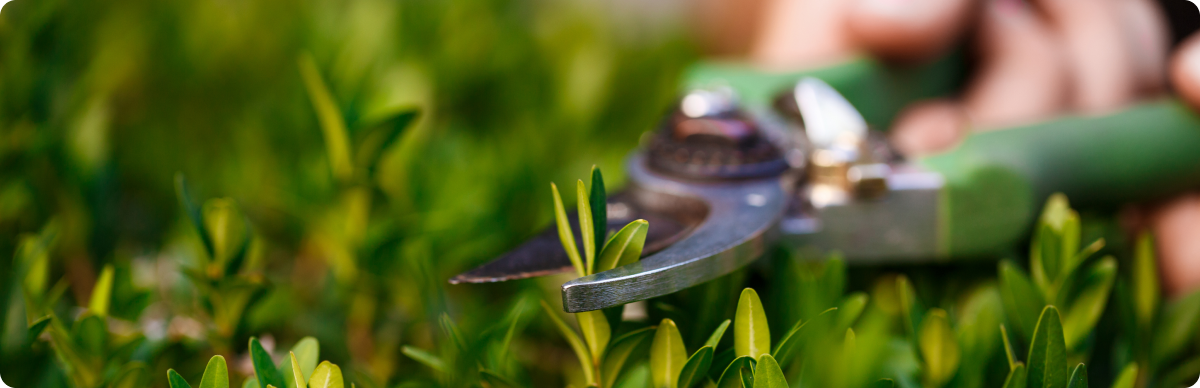
Benefits of Hedging in Bridgewater
Enhanced Property Value
Improved Curb Appeal
Privacy and Security
Low Maintenance Solutions
Expert Local Knowledge
Customized Landscaping Designs
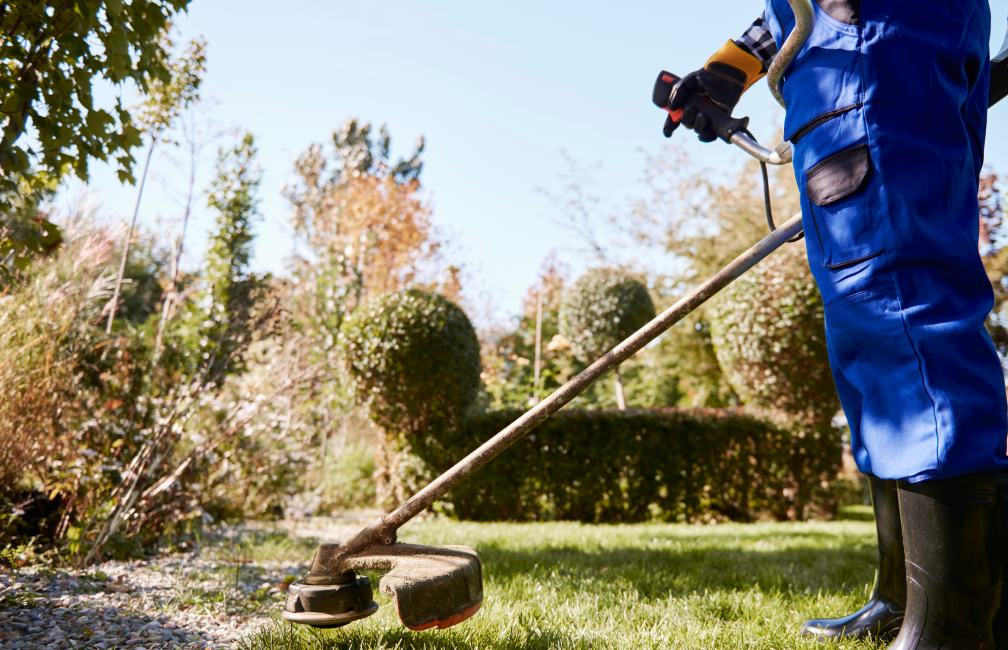
Bridgewater Hedging Types

Boxwood Hedges
-
Privet Hedges
-
Yew Hedges
-
Laurel Hedges
-
Beech Hedges
-
Hornbeam Hedges
-
Holly Hedges
Our Hedging Process
Site Evaluation
Planning and Marking
Trimming and Shaping
Cleanup and Inspection
Why Choose Bridgewater Landscape Services
-
Bridgewater Homeowners Trust Us
-
Expert Lawn Maintenance
-
Competitive Pricing
-
Professional Team
-
Satisfaction Guarantee
-
Personalized Service
-
Reliable Scheduling
Contact Bridgewater's Department of Public Works for Hedge Trimming Debris & Brush Disposal
Bridgewater's Department of Public Works supervises a seasonal yard waste collection program running from late March through mid-December, precisely developed to handle residential hedge trimmings in strict compliance with Massachusetts environmental regulations. Property owners must prepare hedge materials by cutting branches to 4-foot maximum lengths with bundles weighing no more than 50 pounds, secured exclusively with natural biodegradable string or contained in certified compostable paper bags—plastic containers remain strictly forbidden under state organic waste legislation. The municipal Transfer Station requires valid resident identification and operates within established schedules for major hedge renovation projects surpassing standard curbside collection limits.
Bridgewater Department of Public Works
66 Central Square, Bridgewater, MA 02324
Phone: (508) 697-0919
Official Website: Bridgewater Department of Public Works
Rigorous material sorting procedures distinguish between compostable organic hedge debris appropriate for municipal processing and non-biodegradable elements including metal supports, synthetic plant ties, irrigation hardware, and plastic containers requiring alternative disposal channels. Depositing landscape waste in roadways, storm drainage infrastructure, or municipal catch basins constitutes MS4 regulatory violations and may trigger environmental enforcement proceedings.
- Branch preparation: 4-foot maximum lengths, 50-pound bundle weight limitations
- Natural biodegradable string exclusively—synthetic fasteners prohibited
- Valid resident identification mandatory for Transfer Station access
- Rigorous sorting of organic materials from synthetic components
- Complete prohibition on roadway, storm system, or catch basin disposal
Understanding Hedge Selection for Bridgewater's Taunton River Basin & Glacial Outwash Soils & Climate Zone 6b
Bridgewater's strategic position within southeastern Massachusetts' USDA Hardiness Zone 6b establishes distinctive environmental parameters requiring thoughtful hedge species selection for resilient landscape performance. The town's geological foundation, documented through USDA Web Soil Survey analysis, predominantly features Taunton River basin alluvial deposits with Birchwood-Freetown associations, glacial outwash plains including Carver-Plymouth series, and upland glacial till with Paxton-Woodbridge associations, characterized by very poorly drained to excessively drained conditions with pH values typically ranging from 4.8 to 6.5, influenced by historical agricultural practices and the Hockomock Swamp complex.
University of Massachusetts Extension Center for Agriculture, Food and the Environment
161 Forest Hills Street, Boston, MA 02130
Phone: (617) 522-7400
Official Website: University of Massachusetts Extension
Regional environmental influences significantly impacting hedge establishment include moderate salt exposure from winter road treatment operations along Routes 104, 106, and 18, extreme soil drainage variations from seasonally flooded river bottoms to drought-prone sandy uplands, substantial deer browsing pressure throughout residential neighborhoods adjacent to Bridgewater State University forest lands and Hockomock Swamp, and diverse microclimatic conditions created by the Taunton River system and numerous cranberry bog operations.
Optimal species for Bridgewater's river basin and outwash environment:
- Native/River Basin Adapted Varieties: Viburnum nudum 'Winterthur', Sambucus canadensis 'York', Cephalanthus occidentalis, Lindera benzoin, Salix discolor
- Drought-Tolerant Outwash Specialists: Comptonia peregrina, Vaccinium angustifolium, Gaylussacia baccata, Arctostaphylos uva-ursi, Hudsonia ericoides
- Variable Moisture Tolerant: Cornus sericea 'Baileyi', Ilex verticillata 'Winter Red', Aronia melanocarpa 'Viking', Physocarpus opulifolius 'Summer Wine'
- Deer-Resistant Options: Ilex crenata 'Sky Pencil', Buxus microphylla 'Green Mountain', Taxus canadensis, native aromatic species
Massachusetts Department of Agricultural Resources
251 Causeway Street, Boston, MA 02114
Phone: (617) 626-1700
Official Website: Massachusetts Department of Agricultural Resources
Invasive species prevention necessitates avoiding problematic introductions including purple loosestrife, Japanese knotweed, multiflora rose, and autumn olive. Select ecologically beneficial native alternatives providing equivalent aesthetic value while supporting southeastern Massachusetts river basin ecosystem integrity and conforming to state invasive species management protocols.
Bridgewater Conservation Commission Requirements for Hedge Work Near Wetlands & Protected Areas
The Bridgewater Conservation Commission implements regulatory oversight under the Massachusetts Wetlands Protection Act governing activities within 100-foot wetland buffer zones and 200-foot riverfront protection areas adjacent to the Taunton River, Town River, Matfield River, Hockomock Swamp complex, numerous cranberry bog systems, and extensive freshwater wetland complexes throughout the municipality. Property owners planning hedge installations, removals, or substantial modifications within these regulated jurisdictions must obtain appropriate permits through Request for Determination of Applicability (RDA) or Notice of Intent (NOI) procedures before commencing any soil-disturbing operations.
Bridgewater Conservation Commission
66 Central Square, Bridgewater, MA 02324
Phone: (508) 697-0921
Official Website: Bridgewater Conservation Commission
Buffer zone habitat management prioritizes native river basin and swamp edge plant communities that enhance water quality protection while establishing wildlife habitat corridors throughout the town's diverse landscape. Erosion prevention strategies including temporary sediment fencing must be deployed during installation phases to prevent soil migration toward aquatic resources, particularly critical in areas with clay soils prone to erosion near the Hockomock Swamp. Wildlife conservation protocols require seasonal activity restrictions during critical nesting periods from early April through late August, with special consideration for species utilizing shrub habitats along river corridors and swamp edges.
Massachusetts Natural Heritage & Endangered Species Program
1 Rabbit Hill Road, Westborough, MA 01581
Phone: (508) 389-6300
Official Website: Massachusetts Natural Heritage & Endangered Species Program
- Wetlands Protection Act jurisdiction within 100-foot buffer areas
- Native river basin plant community emphasis for water quality protection
- Seasonal activity restrictions early April through late August
- Temporary erosion control during soil disturbance activities
- River basin habitat consultation for species conservation
Property Lines, Rights-of-Way & Sightline Rules for Hedges in Bridgewater
Bridgewater's comprehensive zoning bylaws establish detailed hedge placement specifications, with property boundary setback requirements typically ranging from 10 to 25 feet depending on residential density classifications and specific district regulations. Height limitations generally restrict hedge installations to 6 feet maximum in front yard areas and 12 feet in side and rear yard locations, with variations based on underlying zoning categories and rural residential overlay designations. Traffic sight distance requirements mandate unobstructed visibility zones measuring 35 to 50 feet from intersection corners to ensure vehicular and pedestrian safety at street junctions and driveway approaches.
Bridgewater Building Department
66 Central Square, Bridgewater, MA 02324
Phone: (508) 697-0921
Official Website: Bridgewater Building Department
Municipal right-of-way regulations prohibit hedge encroachment onto public walkways, utility corridors, and town-owned property, requiring coordination with utility companies before establishing plantings near infrastructure networks. Americans with Disabilities Act compliance requires preserving unobstructed pedestrian passages of minimum 48-inch width and eliminating visual barriers along designated accessible pathways.
Bridgewater Planning Board
66 Central Square, Bridgewater, MA 02324
Phone: (508) 697-0921
Official Website: Bridgewater Planning Board
- Property boundary setbacks: 10-25 feet based on zoning district classification
- Height limitations: 6 feet maximum front yards, 12 feet side/rear yards
- Traffic sight zones: 35-50 feet unobstructed visibility requirements
- Utility company coordination mandatory for infrastructure clearances
- ADA compliance for 48-inch minimum pedestrian passage width
Safe Pruning Standards, Wildlife Protection & Seasonal Timing in Bridgewater
Professional hedge maintenance throughout Bridgewater must meticulously adhere to established ANSI A300 pruning standards, which comprehensively specify proper cutting methodologies that preserve plant health and promote optimal growth characteristics. These industry benchmarks emphasize precise cuts positioned just outside the branch collar, skilled utilization of three-cut techniques for substantial branches, and complete elimination of harmful practices including topping, flush cutting, or excessive crown reduction that compromise structural integrity. Tool disinfection using 70% isopropyl alcohol or 10% sodium hypochlorite solution between different plants prevents pathogen transmission across landscape installations.
National Weather Service Boston
46 Commerce Way, Norton, MA 02766
Phone: (508) 622-3250
Official Website: National Weather Service Boston
Seasonal timing protocols for Bridgewater's Zone 6b climate recommend structural pruning during late winter dormancy from mid-February through early March, with river basin-adapted shrub-specific timing requiring post-bloom pruning to maintain wildlife habitat value. Comprehensive safety protocols encompass mandatory personal protective equipment including impact-resistant eye protection, hearing conservation devices, proper equipment maintenance procedures, electrical hazard awareness when operating near power lines, and ladder safety with appropriate positioning ratios. Integrated pest management strategies include systematic monitoring for common river basin pests including scale insects, aphids, and fungal diseases associated with high humidity conditions near swamp areas, employing environmentally sound treatment methods and consulting University of Massachusetts Extension diagnostic laboratories.
- ANSI A300 standards for professional cutting techniques
- Late winter structural pruning (mid-February through early March)
- River basin-adapted shrub post-bloom timing for wildlife habitat preservation
- Wildlife nesting protection early April through late August
- Comprehensive river basin safety equipment and pest management protocols
Managing Hedge Waste Under Massachusetts Organic Waste Diversion Requirements
Massachusetts General Law Chapter 111, Section 150A establishes mandatory organic waste diversion protocols that categorically prohibit hedge trimmings and other yard debris from residential refuse streams. This comprehensive state legislation necessitates active engagement in municipal organic waste diversion programs and mandates proper separation of biodegradable materials for composting or collection through Bridgewater's established seasonal yard waste management system.
Massachusetts Department of Environmental Protection
One Winter Street, Boston, MA 02108
Phone: (617) 292-5500
Official Website: Massachusetts Department of Environmental Protection
On-site residential composting offers an environmentally beneficial alternative for healthy, non-invasive hedge materials, requiring recommended setback distances of 15-25 feet from property boundaries and water sources to prevent nuisance conditions and protect groundwater quality. Specialized disposal protocols apply to invasive plant materials demanding secure containment and certified disposal facilities to prevent community-wide establishment.
- Complete prohibition of hedge debris in residential refuse streams
- Mandatory participation in municipal organic waste diversion programs
- On-site composting with 15-25 foot property boundary setbacks
- Specialized handling protocols for invasive and diseased materials
- Commercial composting options for large-scale hedge projects
Stormwater Protection During Hedge Work in Compliance with Bridgewater's MS4 Program
Bridgewater operates under comprehensive Municipal Separate Storm Sewer System (MS4) permit requirements administered through the EPA NPDES regulatory framework, mandating stringent stormwater protection protocols during hedge installation and maintenance operations. The town's MS4 compliance program requires implementation of best management practices preventing hedge debris, sediment loads, and other pollutants from entering storm drainage infrastructure that discharges to the Taunton River, Town River, Matfield River, and associated river basin systems.
U.S. Environmental Protection Agency, Region 1
5 Post Office Square, Boston, MA 02109
Phone: (617) 918-1111
Official Website: U.S. Environmental Protection Agency, Region 1
Erosion prevention measures during hedge work encompass strategic installation of temporary sediment control devices including filter fabric barriers or biodegradable fiber rolls, preservation of existing vegetation wherever feasible, and immediate soil stabilization procedures for exposed earth areas. Clean Water Act compliance necessitates coordination between private property maintenance activities and municipal river basin water quality objectives.
- MS4 permit requirements for comprehensive stormwater quality protection
- Temporary sediment control installation during earth-disturbing activities
- Storm drainage system protection from debris and contaminated runoff
- Clean Water Act coordination with river basin water quality programs
- Equipment maintenance and site stabilization best management practices
What Neighborhoods Do We Serve Throughout Bridgewater, MA?
Bridgewater State University Campus Area presents unique hedging considerations due to high-density institutional development and intensive pedestrian traffic throughout this major educational district. The area's modified urban soils with underlying compaction issues support pollution-tolerant species, while institutional zoning requirements mandate specific screening standards between campus facilities and adjacent residential properties. High foot traffic along campus pathways demands careful attention to sight line preservation and ADA accessibility compliance, while the district's academic character requires species capable of providing year-round visual interest and withstanding heavy pedestrian use during academic seasons.
Hockomock Swamp Edge Residential Areas encompass properties adjacent to this regionally significant wetland complex, creating substantial wildlife habitat considerations and unique ecological opportunities throughout established neighborhoods. The area's hydric soils and seasonal flooding create challenging growing conditions requiring specialized plant selection for optimal performance under wetland influence, while Conservation Commission coordination applies to most properties within swamp buffer zones. Equipment access considerations on rural roads near the swamp influence maintenance scheduling approaches, while community expectations emphasize naturalistic hedge installations that complement the swamp's ecological character while providing necessary residential privacy screening.
Taunton River Waterfront Districts include properties with direct river frontage requiring specialized consideration for hedge installations near this significant waterway and its associated floodplain areas. The neighborhood's variable soil drainage from well-drained uplands to poorly drained floodplain areas creates diverse growing conditions requiring careful plant selection, while Conservation Commission oversight applies to properties within riverfront buffer zones. Periodic flooding requires flood-tolerant species selection, while waterfront properties often require extensive privacy screening installations that must balance aesthetic objectives with environmental stewardship and regulatory compliance.
Route 104 Commercial & Residential Corridor presents mixed development patterns combining commercial enterprises with residential neighborhoods along this major east-west transportation artery. The area's modified soils with variable drainage characteristics affect plant selection strategies, while commercial zoning requirements mandate specific screening standards between different property uses. High traffic volumes and salt exposure from winter road maintenance require particularly hardy, salt-resistant plant selections, while the corridor's development pattern creates opportunities for coordinated landscape screening that enhances commercial aesthetics while providing noise buffering for adjacent residential areas.
Cranberry Bog Adjacent Rural Areas feature properties near active cranberry cultivation operations, creating unique environmental challenges including extreme soil acidity, high water tables during bog flooding seasons, and specialized microclimatic conditions throughout this agricultural landscape. The neighborhood's hydric and sandy soils present complex drainage patterns affecting plant selection and installation timing, while Conservation Commission oversight applies to many properties within wetland buffer zones. Specialized growing conditions near bog systems create distinctive environments requiring careful species selection emphasizing bog-adapted native species and acid-loving cultivars that complement rather than compete with cranberry cultivation operations.
Town River Valley Neighborhoods encompass residential developments within this tributary system with seasonal flooding concerns and extensive wetland complexes throughout the area. The neighborhood's alluvial soils create challenging growing conditions requiring specialized plant selection for optimal performance under periodic flooding, while Conservation Commission coordination applies to properties within stream corridor buffer zones. Agricultural field edges throughout this watershed create distinctive wind patterns and drainage conditions affecting species performance, while wildlife habitat considerations emphasize native riparian species supporting diverse bird and mammal populations utilizing the river corridor for breeding and shelter.
South Bridgewater Mixed Development Areas combine established residential neighborhoods with light commercial and industrial land uses, creating diverse screening requirements and varied environmental conditions throughout the district. The area's glacial till soils with good drainage support suburban-adapted species, while mixed zoning regulations establish specific landscape screening standards between different property uses. Proximity to major transportation infrastructure requires effective noise buffering considerations while maintaining compliance with sight distance requirements for traffic safety, while the neighborhood's established character provides opportunities for coordinated landscape screening that enhances community aesthetics while providing individual property privacy.
Bridgewater Municipal Bylaws for Hedge Trimmer Operation, Noise & Commercial Service Standards
Bridgewater's municipal noise control ordinances establish specific operational timeframes for powered landscape equipment used in hedge maintenance, typically permitting operations between 7:00 AM and 7:00 PM on weekdays and 8:00 AM and 6:00 PM on weekends and recognized holidays. These time restrictions apply uniformly to residential property owners and commercial landscape service providers, with additional seasonal considerations during summer months to accommodate the town's college community character and residential neighborhood tranquility expectations throughout this educational community.
Bridgewater Board of Health
66 Central Square, Bridgewater, MA 02324
Phone: (508) 697-0924
Official Website: Bridgewater Board of Health
Commercial hedge maintenance services operating within Bridgewater must secure appropriate business licenses through the Town Clerk's office and maintain comprehensive general liability insurance coverage meeting municipal minimum requirements. Professional service providers must demonstrate compliance with Massachusetts Home Improvement Contractor registration standards and maintain current certifications for pesticide application when chemical treatments become necessary for hedge health management protocols. Equipment operation standards mandate proper maintenance of hedge trimming machinery to minimize noise generation and prevent excessive exhaust emissions. Municipal enforcement mechanisms include violation reporting systems with correction timeframes typically allowing 21 days for compliance achievement, with appeal procedures available through appropriate municipal boards when extraordinary circumstances warrant special consideration.
- Equipment operation hours: 7:00 AM-7:00 PM weekdays, 8:00 AM-6:00 PM weekends
- Commercial service licensing and comprehensive insurance coverage requirements
- Massachusetts Home Improvement Contractor registration and certification compliance
- Neighborhood courtesy notification for substantial hedge renovation projects
- 21-day correction periods with municipal appeal procedures available